
trusted help for your home
Roofing in Ottawa: Replacement, Permits & Materials
Ottawa homeowner guidance on roofing repairs and replacement, roof permits, asphalt versus metal, winter performance and comparing contractor quotes.
Editorially reviewed
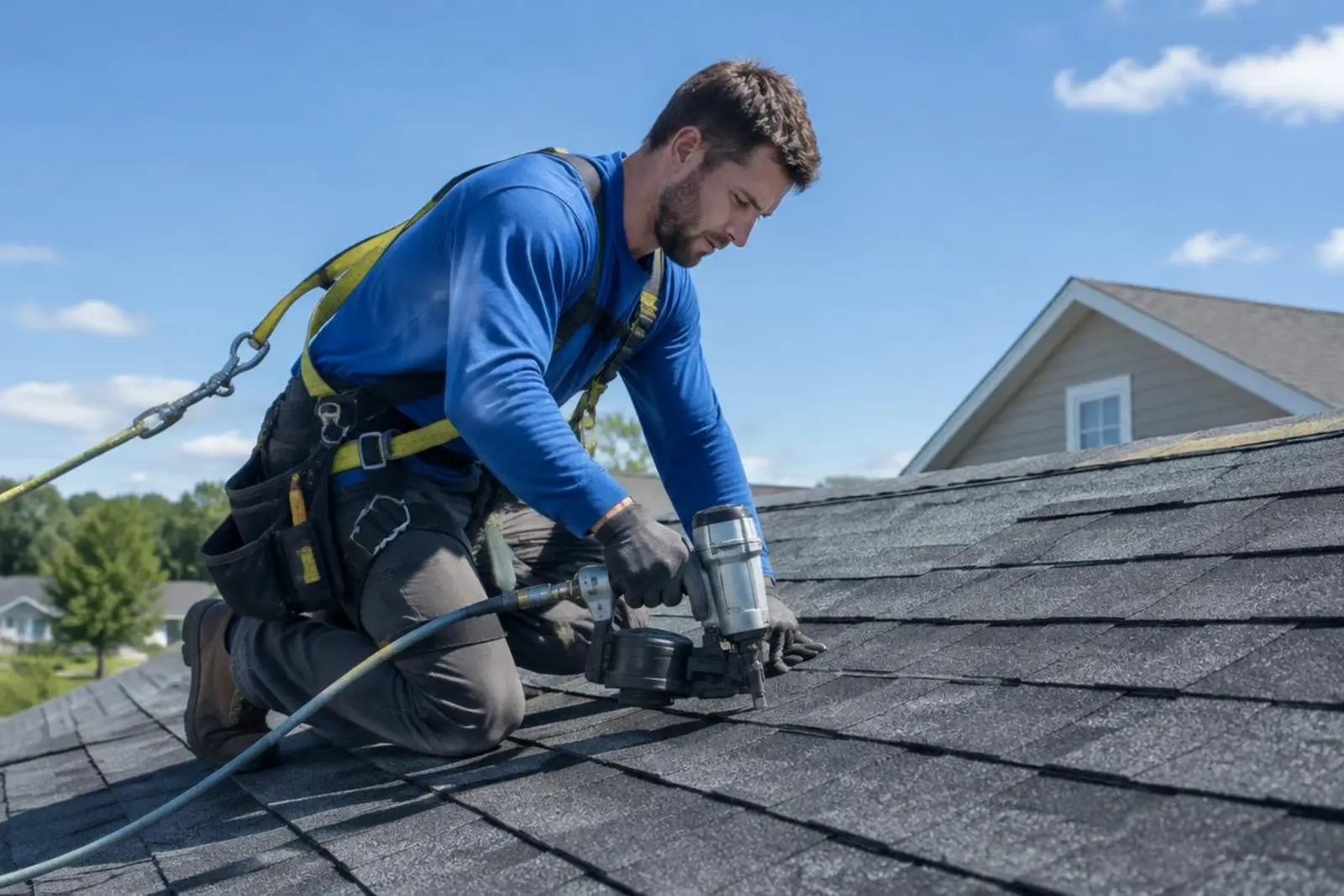
A roof protects far more than the shingles you see from the street. Underlayment, flashing, ventilation, attic moisture control, drainage and workmanship all affect how a roof performs through Ottawa's snow, freeze-thaw cycles, wind and summer storms.
Use this page to plan the job and compare roofing proposals. It is not a list of endorsed roofers and does not provide structural or safety approval.
Repair, re-cover or replace?
| Situation | Questions worth answering |
|---|---|
| A small localized leak | Is the source flashing, a penetration, damaged roofing or condensation? |
| Aging asphalt shingles | Is the roof nearing the end of its useful life, and how is the decking underneath? |
| Repeated ice dams | Are attic air leaks, insulation and ventilation contributing? |
| Switching from asphalt to metal | What changes to underlayment, snow retention, detailing and installation are needed? |
| Sagging roof, damaged framing or altered slope | Is a structural assessment and separate municipal approval required? |
A quote limited to new shingles may not resolve a chronic leak caused by a chimney-flashing detail or warm indoor air escaping into the attic. The best proposal addresses the underlying cause, not simply the visible symptom.
Does Ottawa require a roof replacement permit?
The City of Ottawa lists installing asphalt shingles on a roof among projects that normally do not require a building permit. This is a specific exemption, not a blanket statement that all roof work is permit-free. Structural changes, certain other scopes and heritage-designated properties may require further review. See the City's official exemption list and confirm details before authorizing work.
Changing roof structure or converting materials can also raise questions about loads, assembly design and the exact permit scope. If the property lies in another municipality, Ottawa's exemption list does not govern that municipality's requirements.
Asphalt versus metal roofing
Both can be suitable for Ottawa homes. The decision should reflect the full installed system and the home's particular roof shape rather than a universal claim that one material is always superior.
- Asphalt shingles: many profiles and price points, familiar installation methods and a wide contractor market. Product grade, ventilation and installation quality matter.
- Metal roofing: different standing-seam or exposed-fastener designs and potentially different long-term maintenance and snow-shedding behaviour. Details such as penetrations, fasteners, coatings and snow retention matter.
- Both: compare underlayments, flashings, decking repairs, ventilation, gutters, workmanship warranties and how changes will be documented.
Ask whether the quoted amount includes removal and disposal of existing materials, hidden-decking allowances and restoration around roof penetrations. A low materials-only number is not a comparable installed price.
Winter conditions and ice dams
Natural Resources Canada's roof and attic guidance explains that warm air escaping into a roof assembly can contribute to ice-dam formation. Attention to air sealing and insulation, and ventilation appropriate to the roof design, is usually more important than assuming a different shingle brand will solve the problem. Self-sealing membranes can limit leakage but do not eliminate the underlying causes of ice dams.
Do not climb onto a snow-covered or icy roof to investigate a problem. Ask a qualified professional about safe inspection and any needed structural or attic assessment.
Roofing quote checklist
Before comparing bids, ask contractors to specify:
- The exact roof areas, slopes and existing layers included.
- Removal versus overlay, decking inspection and how concealed damage is priced.
- The manufacturer, product line, underlayment, flashing and ventilation details.
- How ice-and-water protection, eaves, valleys, skylights and chimneys are handled.
- Site protection, debris removal and landscaping protection.
- Permit or heritage questions, if the proposed work extends beyond ordinary re-shingling.
- Installation schedule, weather delays, workmanship warranty and product warranty limitations.
A written contract should state how additional work is approved. For a rural property or a complicated multi-level roof, safe equipment access and staging may affect the scope significantly.
Related Ottawa roofing guides
- Do you need a permit to replace a roof in Ottawa? — ordinary re-shingling versus structural or heritage work.
- Asphalt versus metal roofing in Ottawa — cost factors, snow, durability and long-term comparisons.
Editorial scope: Permit exemptions, product requirements and warranty conditions can change. Verify the specific work and location with the responsible municipality and suitably qualified contractors.
you asked
Common questions
Do I need a building permit to replace asphalt shingles in Ottawa?
The City of Ottawa lists installing asphalt shingles as an example of work normally exempt from a building permit. Structural changes, heritage status or other work can change the answer; confirm the exact scope with the City.
Is metal roofing always better than asphalt shingles?
No. The best choice depends on the installed system, roof geometry, budget, details, climate exposure, snow management, maintenance and workmanship.
Will a new roof fix ice dams?
Not necessarily. Ice dams often relate to heat loss, air leakage, insulation and roof assembly design. New roofing alone may not correct those causes.
Should the roofing quote include flashing?
Yes. Ask for written details about valleys, chimneys, skylights, roof penetrations and existing flashing, including which components will be replaced.
Does the roofing permit exemption apply to a heritage home?
Do not assume so. The City says designated heritage buildings and properties in Heritage District Overlay areas require specific consultation about applicable approvals.
How can I compare two roofing estimates fairly?
Ensure both cover the same removal, underlayment, materials, ventilation, flashing, decking allowances, cleanup, warranty and restoration scope.
Sources
- Projects Not Requiring Building Permits — City of Ottawa
- Keeping the Heat In: Roofs and Attics — Natural Resources Canada
read before you hire
Homeowner guides
Homeowner guide
Asphalt vs. Metal Roofing in Ottawa (2026): Costs, Snow and Lifespan
An Ottawa homeowner comparison of asphalt and metal roofing based on real installation scope, winter risks, maintenance and long-term value.
Homeowner guide
Do You Need a Building Permit to Replace Your Roof in Ottawa? (2026)
A practical Ottawa homeowner guide to asphalt-shingle permit exemptions, structural roofing repairs and heritage approval questions.