
a homeowner's field guide
Basement Flood Prevention in Ottawa: Sump Pumps, Valves and Drainage
An Ottawa homeowner diagnostic and maintenance guide to foundation drainage, sewer backup, sump pumps and flood-risk reduction.
9 min readEditorially reviewed
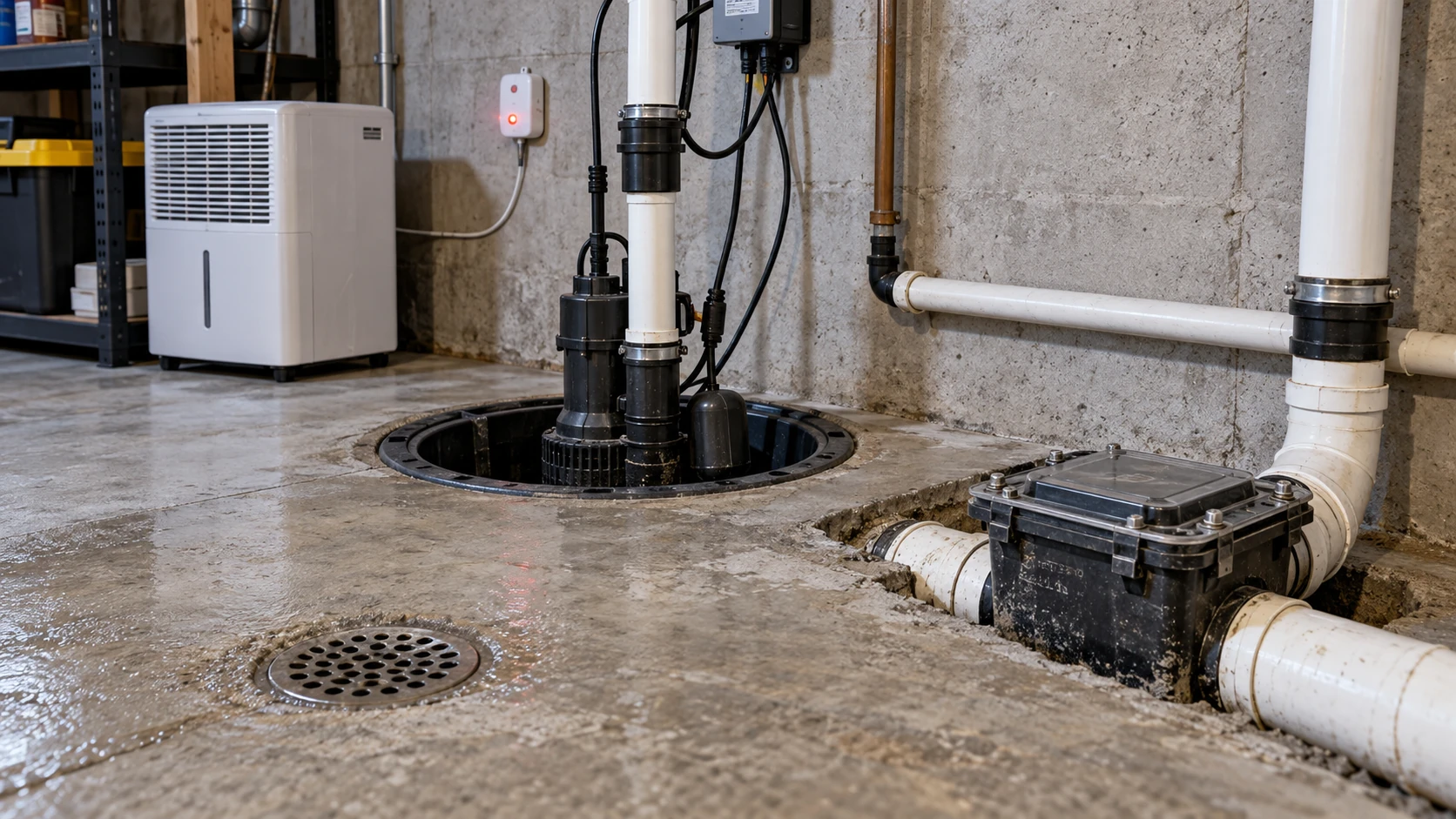
Basement water does not always come from the same place—and the wrong protective device may do little for the problem your home actually has. Ottawa homeowners can face municipal sewer backflow, water accumulating around the foundation, groundwater entering through a failing drain or roof runoff soaking the soil beside basement walls. A backwater valve helps with a sewer surcharge; a sump pump moves collected foundation water. Neither fixes every source of flooding.
The short version: Identify how water enters, correct surface drainage where appropriate, inspect foundation drains and plumbing, maintain existing protective devices and ask a qualified professional which installation actually fits the home. Ottawa's basement-flooding prevention guide provides an excellent official starting point.
Scope and date: Reviewed October 16, 2026. This article focuses on prevention and diagnosis for Ottawa-area homes. It is distinct from our separate BestOttawa guide about applying for Ottawa sump-pump and backwater-valve rebates. Rural homes with private septic and different stormwater arrangements require site-specific advice.
1. Begin by identifying the likely water pathway
Water on a basement floor is a symptom, not a diagnosis. The timing, location and characteristics of the water can help a plumber, drainage professional or foundation specialist investigate, but homeowners should not enter hazardous water or open electrical equipment to investigate on their own.
| What you observe | Possible pathway to investigate | Professional to start with |
|---|---|---|
| Water or sewage rising through a floor drain, toilet or basement fixture | Sanitary or storm sewer surcharge or blocked lateral | Licensed plumber / drain professional |
| Water appearing near wall-floor joints after heavy rainfall | Foundation drainage or groundwater pressure | Basement waterproofing or drainage specialist |
| Water running down a wall below a window | Window well or grading problem | Exterior drainage / foundation professional |
| Wet basement after spring thaw near eaves and downspouts | Snowmelt and surface water routed toward foundation | Drainage / foundation professional |
| Water around an appliance or supply line | Interior plumbing or equipment leak | Plumber; isolate water if safe |
| Water during a power outage with a full sump pit | Primary sump pump or backup power failure | Qualified sump-pump installer |
Ottawa's Residential Protective Plumbing FAQ explicitly warns that protective plumbing cannot stop water from cracks, window wells, failed drains, clogged downspouts or poor lot drainage. Do not purchase a backwater valve assuming it waterproofs the walls.
2. What a sump pump does—and doesn't do
A sump pit is installed below the basement floor to collect water conveyed by foundation drains or other approved means. When the water reaches a defined level, a sump pump moves it to an approved destination. It is useful for water approaching the house through the ground, not as a universal cure for sewage coming backward through a sewer lateral.
Ask an installer to confirm:
- Where the existing foundation drains discharge and whether they are blocked or damaged.
- Whether the sump pit is properly designed and safely accessible.
- Pump sizing, discharge head and whether the destination is approved.
- Whether a check valve, secondary pump, alarm and battery backup are appropriate.
- How the installation behaves during prolonged rain and a neighbourhood power outage.
The City's guidance says sump discharge should go to the storm sewer where appropriate or to the ground at least 1.2 metres from the foundation, consistent with local requirements. Do not reroute it to a sanitary sewer or neighbour's yard on your own.
3. What a backwater valve does—and doesn't do
A backwater valve is installed on an appropriate sewer pipe and closes when water flows backward from a surcharged line. During normal operation, it allows drainage out of the home. If it closes, water from inside the house may have no available route to the sewer, which is why residents should limit toilet flushing, laundry and other wastewater generation while the valve is engaged.
| Feature | Backwater valve | Sump pump |
|---|---|---|
| Main purpose | Reduce sewer surcharge/backflow risk | Remove collected foundation/groundwater |
| Where it works | Appropriate sanitary or storm lateral configuration | Sump pit and discharge arrangement |
| Needs electricity to perform main action | Not generally for passive valve closure | Yes, unless separate backup is available |
| Needs upkeep | Inspect and clear debris per manufacturer instructions | Test pump, float, discharge and backups |
| Does it seal foundation cracks? | No | No |
| Does it replace proper grading? | No | No |
Ottawa notes that older cast-iron-pipe systems can require extra valve maintenance because corrosion and debris can interfere with the gate. Read the City's FAQ before having an installer explain the proper maintenance procedure. An improperly selected or inaccessible valve can be difficult to maintain.
4. Often the first fix is outside: grading and roof runoff
A surprising amount of basement risk begins on the lot surface. The City recommends sloping ground away from the foundation, addressing window wells and cracks, and redirecting downspouts away from the house. Its regular prevention advice recommends redirecting downspouts to permeable areas about 3 metres from the foundation where feasible. Other City emergency guidance describes a 1.2-metre minimum in certain contexts; use the current site-specific instructions and do not direct runoff onto neighbours or a public walkway.
Walk around the property after rain—from safe, dry ground—and look for the following:
- Downspouts that discharge beside the wall.
- Ground, patios or driveways sloping toward the foundation.
- Sunken soil next to a foundation.
- Window wells without adequate drainage or protection.
- Snow piles that melt directly against basement walls.
- Leaves blocking eavestroughs or visible catch basins.
Some older houses have downspouts connected to foundation drains or municipal sewer systems. Disconnecting one incorrectly can create a different problem. Ask a qualified professional to confirm the drainage arrangement before changing underground connections.
5. Ottawa's two relevant rebate paths are not the same
Depending on your property and proposed project, Ottawa has different municipal programs for different types of flood-related work.
| Program | What it generally addresses | Main limitation |
|---|---|---|
| Residential Protective Plumbing Program (RPPP) | Qualifying backwater valves, sump pumps and associated protective-plumbing work | Device, property and permit eligibility; specific rebates and deadlines |
| Rain Ready Ottawa | Qualifying downspout redirection, rain gardens, soakaway pits, permeable paving and other stormwater retrofits | Only certain priority retrofit areas and approved projects; funding limits |
Rain Ready Ottawa's residential rebate program advertises up to $5,000 for eligible stormwater projects in priority areas, including up to $1,000 for downspout redirection and up to $2,500 for specified rain gardens or soakaway pits. These are not blanket grants for every Ottawa address. Check the priority-area map and application conditions before any construction.
Our separate BestOttawa RPPP rebate guide explains its individual device maximums, invoices, permits and application deadlines. Don't conflate a flood-prevention design decision with automatic rebate eligibility.
6. Check the sump pump and battery backup before a storm
A sump pump that operates correctly on an ordinary day may still fail if a float sticks, discharge freezes or a storm knocks out electricity. Homeowners should maintain protective equipment according to the manufacturer's directions and have qualified assistance for electrical or plumbing concerns.
Maintenance questions for a professional:
- Does the float move unobstructed and activate the pump as intended?
- Can water discharge safely without recirculating toward the foundation?
- Is the pipe protected against freezing and accidental blockage?
- Does the backup pump start under the failure condition it is meant to cover?
- How long will the battery last under real pumping loads, and how old is it?
- Is an audible or remote high-water alarm worthwhile for this household?
Insurance Bureau of Canada encourages homeowners with sump pumps to ensure their systems work and have a backup power source. A portable generator must never be used indoors or connected through an improvised backfeed arrangement; a permanently connected generator requires its own compliant electrical installation.
7. Rural Ottawa, wells and septic systems
Rural properties may rely on private septic systems, well pumps and surface drainage rather than the same sewer arrangements as an urban house. A sanitary backwater valve designed for a municipal-sewer lateral may not be the right starting point for a septic-related backup.
Ask the appropriate professional to distinguish septic capacity or blockage, foundation groundwater, surface runoff and interior fixture problems. Record the location of the tank, bed, sump discharge and known foundation-drain outlets. Discharging water into an unapproved location can harm a septic system, affect neighbours or lead to permitting issues.
If you are outside City of Ottawa boundaries—for example in Carleton Place or Mississippi Mills—do not assume Ottawa's municipal rebate programs apply. Use your municipality's guidance and site-specific professional advice.
8. Insurance, records and who to call after water damage
Insurance coverage depends on your specific policy and endorsements. Sewer-backup and overland-water coverage may be treated differently; neither the presence of a sump pump nor a municipal rebate guarantees an insurer will pay for later water damage. Confirm with your broker or insurer what exclusions, deductibles and documentation requirements apply.
Before a storm, photograph the working equipment and keep invoices, permits and inspection records. After damage, document the situation only when safe, contact your insurer promptly and ask about mitigation requirements. The Insurance Bureau of Canada offers general flood-protection and insurance guidance.
Safety: Floodwater may contain sewage, chemicals and energized electrical hazards. Avoid entering standing water in a basement where electrical equipment may be affected. Seek emergency and utility advice for immediate danger. Do not open panels, pumps or electrical outlets to troubleshoot while the area is wet.
9. What should a good basement-flood prevention quote include?
Ask contractors to diagnose the pathway before proposing equipment. A complete quote should name the suspected source and explain what the proposed work is intended to prevent.
| Quote item | What to ask |
|---|---|
| Diagnosis | What evidence identifies the likely water pathway? |
| Device or drainage approach | Why this valve, pump, drain repair or lot-grading solution? |
| Permits and inspections | What City/ESA approvals are necessary and who arranges them? |
| Existing systems | What happens to current foundation drains, sewer connections and discharge routes? |
| Emergency operation | What happens when the power fails or sewer valve closes? |
| Site restoration | Is excavation, basement concrete and landscaping included? |
| Maintenance | What must the owner inspect and how often? |
| Warranties and records | What documents are handed over and who handles call-backs? |
A quote that promises to 'floodproof the basement' without identifying the water source deserves further scrutiny. Multiple independent causes may require several distinct solutions.
10. Homeowner seasonal flood-prevention checklist
Autumn: Clear eavestroughs and downspouts; inspect grading and window wells; have sump/backwater equipment checked before heavy rainfall.
Winter: Keep deep snow away from vulnerable foundation areas and do not obstruct drains with snow piles; confirm sump discharge and backup power are protected against freezing and outage risks.
Spring: Review meltwater routing; check for foundation leaks and clean accessible drainage components using approved safe methods.
Before forecast heavy rain: Follow municipal alerts, ensure protective devices are accessible, reduce unnecessary wastewater use when sewer surcharge is a concern and put valuables above basement floor level.
After an event: Document water entry only when safe; ask the contractor what failed and revise the prevention plan based on evidence rather than replacing equipment without diagnosis.
Editorial note (reviewed October 16, 2026): This is general flood-prevention information. Local drainage, sewer connections, permits and insurance terms vary by property. Follow current City rules and manufacturer instructions, and rely on licensed professionals for plumbing, electrical and foundation work.
you asked
Common questions
What is the first step to prevent basement flooding in Ottawa?
Find out how water enters: sewer backflow, groundwater near the foundation, surface runoff or an interior plumbing leak. Different causes require different solutions; ask qualified professionals to diagnose the route before buying devices.
Does a backwater valve stop every kind of basement flooding?
No. A backwater valve addresses backflow from a surcharged sewer line in an appropriate installation. It does not stop foundation cracks, overflowing window wells, rain running toward the walls or a failed sump pump.
What does a sump pump protect against?
A sump pump removes collected water from a sump pit, often associated with foundation drainage. It does not automatically protect against sewage backing up through a sewer lateral or fix bad exterior lot grading.
How far should a downspout discharge from the foundation in Ottawa?
Ottawa’s regular basement-flooding guidance recommends redirecting downspouts toward permeable areas about three metres from the foundation where feasible. Different City materials describe minimum clearances for other drainage setups; confirm that your discharge location is compliant and does not affect neighbours.
Should a sump pump have battery backup?
Backup power can help keep a sump system operating during storm-related power outages, but a battery has limited runtime and must be properly sized, installed and maintained for the pump and expected water flow.
Should I use plumbing fixtures while a backwater valve is closed?
No. Ottawa advises minimizing or stopping wastewater use while a backwater valve is engaged, because water may not be able to leave the house through the closed line.
Can I get money back for basement flood prevention in Ottawa?
Some eligible households may qualify for Ottawa’s Residential Protective Plumbing Program for specific device installations, while Rain Ready Ottawa supports approved surface-stormwater projects in priority areas. Each program has distinct rules and funding limits.
Will flood insurance cover sewer backup and overland water?
It depends on your policy, optional endorsements, exclusions and deductibles. Ask your insurer about sewer backup and overland water separately; a preventive device does not create automatic coverage.
Do Ottawa sump pump installations require permits?
Protective-plumbing installations covered by Ottawa’s Residential Protective Plumbing Program involve building permits and required inspection documentation. Have a qualified installer confirm the permits and discharge rules for the specific proposal.
Do Ottawa flood-prevention grants apply in Carleton Place?
City of Ottawa programs are not automatically available outside municipal boundaries. Carleton Place and Mississippi Mills property owners should consult their own municipality or local watershed organizations for relevant assistance.
Sources
- How to Prevent Basement Flooding — City of Ottawa
- Residential Protective Plumbing Frequently Asked Questions — City of Ottawa
- Rain Ready Ottawa Residential Rebates — City of Ottawa
- Urban Flooding Frequently Asked Questions — City of Ottawa
- Extreme Weather Preparedness and Basement Flooding — City of Ottawa
- Protect Your Property from Flood and Water Damage — Insurance Bureau of Canada
- Tips to Prevent Flood Damage in Ontario — Insurance Bureau of Canada
keep exploring
Related reading

Service category
Plumbing in Ottawa: Repairs, Sump Pumps and Flood Protection
A practical guide to residential plumbing needs in Ottawa, from everyday leaks to basement water problems and protective plumbing projects.
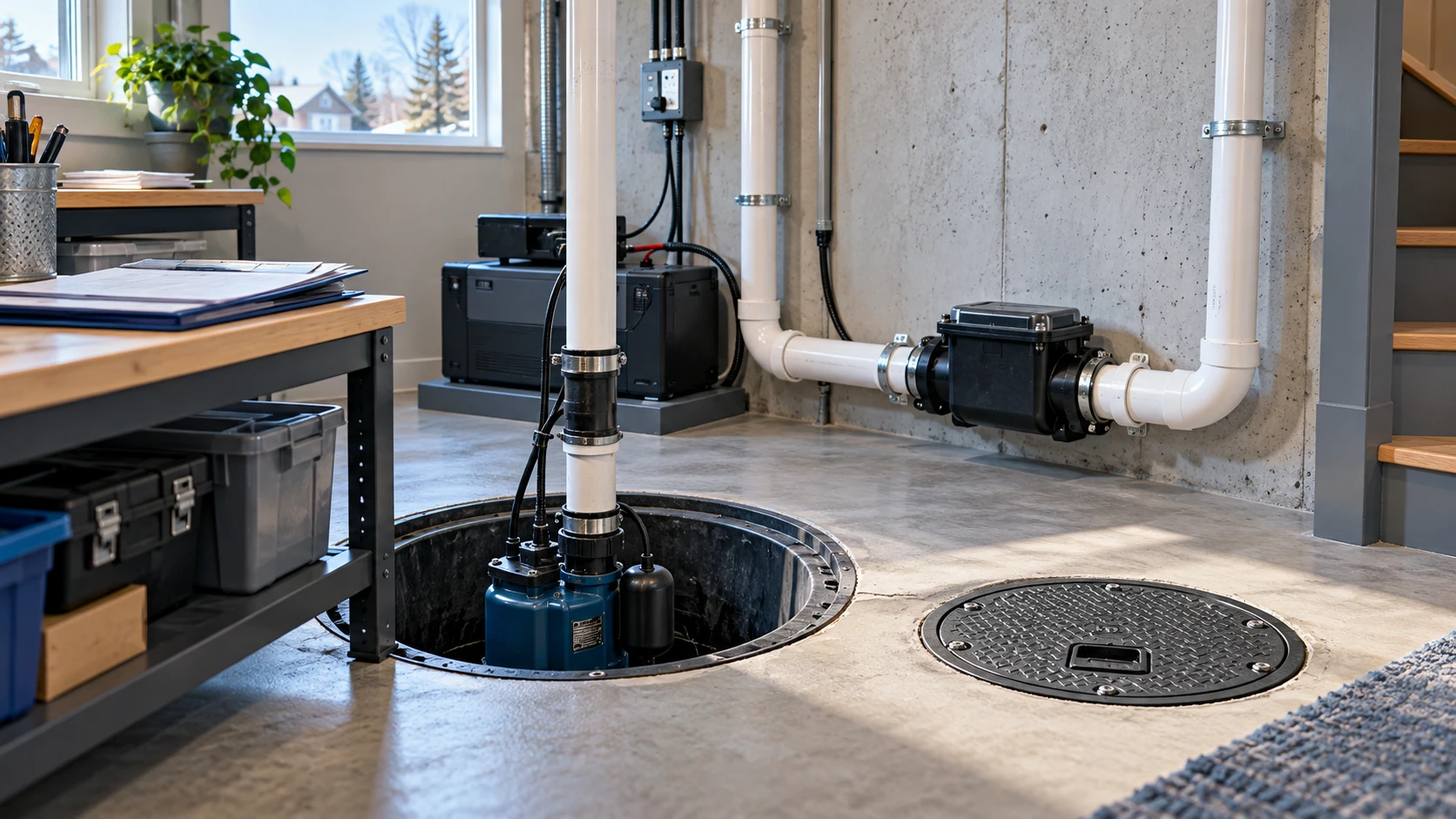
Homeowner guide
Ottawa Sump Pump & Backwater Valve Rebates (2026): Eligibility and How to Apply
A step-by-step Ottawa homeowner guide to the Residential Protective Plumbing Program: 2026 rebate limits, eligibility dates, required permits and application records.